Column · @connerqdfv722
What Causes Gum Disease and How Periodontal Treatment Ventura Helps


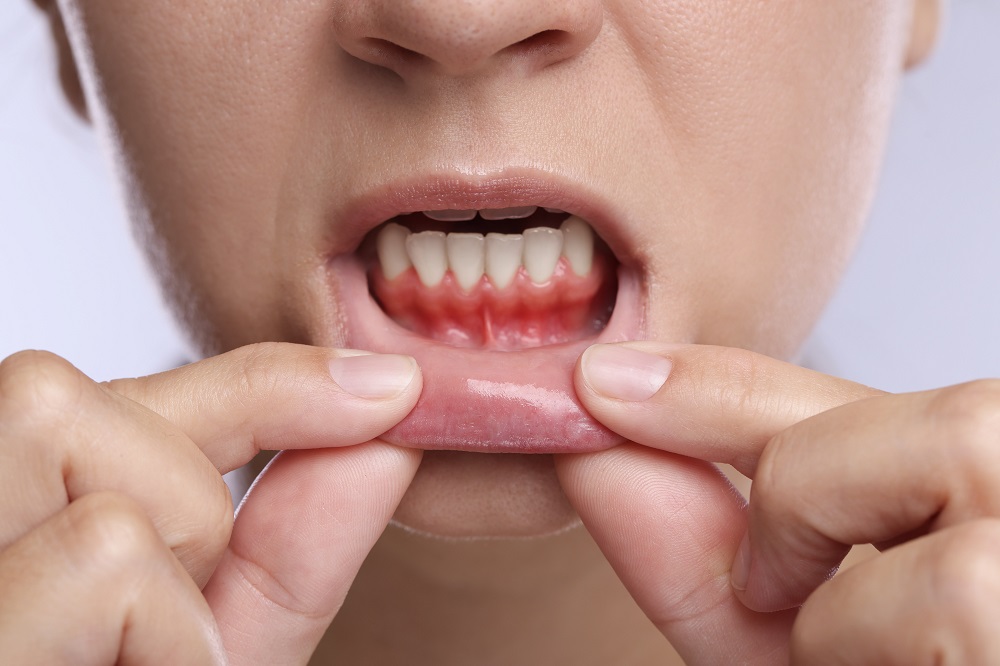
Healthy gums tend to get less attention than teeth. Most people notice a cavity because something hurts, a filling chips, or cold water suddenly feels sharp. Gum disease usually moves more quietly. It starts with subtle bleeding during brushing, a little tenderness near the gumline, or breath that never seems completely fresh. By the time many patients take it seriously, the damage has often been building for months or years.
That quiet progression is what makes gum disease so important. It does not just affect the soft tissue around the teeth. Left untreated, it can destroy the bone that supports them. It can loosen otherwise healthy teeth, change the way a person bites, and make routine eating uncomfortable. In advanced cases, people who thought they only had “sensitive gums” discover they are dealing with a chronic infection that requires real intervention.
Understanding what causes gum disease helps make treatment decisions less intimidating. It also helps explain why prompt care matters. For people exploring Periodontal Treatment Ventura, the goal is not simply to clean the teeth. It is to stop an active disease process, protect the structures that hold teeth in place, and create conditions that are easier to maintain long term.
The difference between irritated gums and true periodontal disease
Not every sore or bleeding gum area means severe periodontal damage. The earliest stage is usually gingivitis, which is inflammation of the gums caused by plaque buildup around the teeth. At this stage, the gums may look redder than usual, bleed during brushing, or feel puffy. The good news is that gingivitis is generally reversible if the bacterial buildup is removed and home care improves.
Periodontal disease begins when that inflammation goes deeper. Instead of staying limited to the surface gum tissue, the infection starts affecting the attachment between the tooth and the surrounding structures. Tiny spaces between the tooth and gum, called pockets, deepen. Harmful bacteria settle into those areas. The immune system reacts, and over time that ongoing inflammatory response contributes to the breakdown of ligament and bone.
That is the turning point people often miss. The problem is no longer “my gums bleed sometimes.” The problem becomes loss of support around the teeth. Once bone is lost, you cannot simply brush your way back to normal anatomy. You can control the disease, stabilize it, and in some cases rebuild selected areas, but early action always gives the best odds.
What actually causes gum disease
The immediate trigger is bacterial plaque, a sticky biofilm that constantly forms on teeth. If it is not disrupted thoroughly with brushing and cleaning between teeth, it thickens and matures. Minerals from saliva can harden it into calculus, often called tartar, which adheres strongly to tooth surfaces and gives bacteria an even better foothold.
But that simple explanation only tells part of the story. In practice, gum disease is rarely about one missed brushing session or one bad week. It usually develops because several factors line up over time.
Poor oral hygiene is the most obvious one, but even people who brush regularly can develop gum problems if they miss the gumline, avoid flossing, or clean too quickly. Technique matters more than many realize. A person can spend two minutes with a toothbrush and still leave a great deal of plaque behind, especially around back molars, crowded lower front teeth, and bridgework.
Smoking is another major contributor. Tobacco changes blood flow in the gums, affects the body’s immune response, and often masks one of the earliest warning signs, bleeding. Smokers sometimes assume their gums are fine because they do not see blood in the sink, when in reality the tissue may be less likely to show classic inflammation even as bone loss progresses underneath.
Dry mouth also plays a role. Saliva is protective. It helps wash away debris, neutralize acids, and support a healthier oral environment. Medications for blood pressure, anxiety, allergies, depression, and many other conditions can reduce salivary flow. When the mouth stays dry, plaque tends to become more persistent and the tissues more vulnerable.
Hormonal changes can increase gum sensitivity and inflammation. Pregnancy, menopause, and even monthly hormonal shifts can affect the way the gums respond to plaque. The bacteria may not be dramatically different, but the tissue response can be.
Systemic health matters too. Diabetes is one of the clearest examples. Poorly controlled blood sugar can worsen gum inflammation and impair healing, while active periodontal disease can make glucose management more difficult. It often works both ways, which is why coordination between medical and dental care becomes so important in certain patients.
There are also structural factors. Crowded teeth, overhanging fillings, poorly contoured crowns, and bite issues can create areas that trap plaque or receive excess force. A patient may be very diligent at home and still struggle with one section of the mouth because the anatomy works against easy cleaning.
Genetics likely influence susceptibility as well. In day to day practice, it is not unusual to see two people with similar hygiene habits but very different periodontal outcomes. One develops only mild inflammation, while the other shows rapid attachment loss. Genetics do not make home care irrelevant, but they can affect how aggressively the body responds to bacteria.
Why gum disease often goes unnoticed
People expect disease to hurt. Gum disease often does not, at least not early on. Bleeding is painless. Mild swelling can be easy to ignore. Even pockets forming around teeth may not be obvious to the patient. Many continue functioning normally until a hygienist or periodontist measures deeper pockets, sees bone changes on imaging, or notices mobility beginning.
There is also a common habit of adapting to gradual changes. If breath has been unpleasant for a year, a person may stop noticing it. If the gums recede slowly, teeth just seem longer. If one side of the mouth feels tender during flossing, it becomes a spot they avoid instead of investigate.
That pattern is one reason regular exams matter. Periodontal disease is one of the clearest examples in dentistry where professional monitoring can catch a problem long before a patient would seek treatment on symptoms alone.
Signs that deserve attention
Some warning signs are more obvious than others, but any of the following should prompt an evaluation:
- gums that bleed during brushing, flossing, or eating
- persistent bad breath or a bad taste that returns quickly
- gum recession or teeth that suddenly look longer
- tenderness, swelling, or pus around the gumline
- loose teeth or changes in the way the bite fits together
Bleeding deserves special emphasis. Healthy gums do not routinely bleed from gentle brushing or flossing. People often say, “I stopped flossing there because it always bleeds.” In reality, consistent careful cleaning and professional treatment are usually what that area needs most.
How periodontal disease is diagnosed
A proper periodontal evaluation is more detailed than a standard quick cleaning visit. The clinician typically measures pocket depths around each tooth, checks for bleeding points, reviews gum recession, evaluates tooth mobility, and studies imaging to assess bone levels. That combination paints a far clearer picture than appearance alone.
Pocket measurements are especially useful because they show where bacteria can hide below the gumline. A shallow healthy sulcus is usually manageable with routine home care. Once pockets become deeper, especially if bleeding is present, the environment becomes more difficult to clean and more favorable to ongoing infection.
Imaging helps reveal what the eye cannot see. Bone loss patterns can show whether the disease is mild, moderate, or advanced, and whether certain teeth are compromised more than others. In some cases, there may also be localized issues such as a vertical defect near one tooth, furcation involvement around molars, or damage linked to a failing restoration.
From there, treatment is tailored. That point matters. Periodontal disease is not one-size-fits-all. A 32-year-old nonsmoker with localized pockets around lower front teeth needs a different approach than a 68-year-old smoker with generalized bone loss, dry mouth, and a history of inconsistent maintenance.
What periodontal treatment is trying to accomplish
The first goal is infection control. The bacterial load around and beneath the gums has to be reduced enough for inflammation to settle. Without that step, the tissue remains swollen, pocket depths stay elevated, and bone support remains at risk.
The second goal is access. If deposits remain hidden below the gumline, the disease continues even if the teeth look cleaner on the surface. Effective treatment reaches into those diseased pockets to remove plaque, calculus, and bacterial toxins from root surfaces.
The third goal is long-term stability. This is where a lot of patients need clear expectations. Periodontal therapy is not usually a one-time fix. It is closer to disease management, much like maintaining blood pressure or blood sugar. The mouth can become healthy and stable, but it needs ongoing support.
How Periodontal Treatment Ventura helps
For patients seeking Periodontal Treatment Ventura, care generally starts by identifying the stage and distribution of disease rather than jumping straight into a generic cleaning. That distinction matters because a standard prophylaxis is meant for relatively healthy gums. It is not designed to treat active periodontal pockets.
A common first phase is scaling and root planing, sometimes referred to as deep cleaning. This treatment targets buildup both above and below the gumline and smooths root surfaces so the tissue has a better chance to heal and reattach. Depending on the extent of disease, this may be completed by quadrant over more than one visit, often with local anesthetic for comfort.
Done properly, scaling and root planing is not a cosmetic polish. It is therapeutic care. Patients often notice less bleeding, less puffiness, fresher breath, and a cleaner feeling that regular brushing never quite achieved before. Clinically, the aim is reduced inflammation, shallower pockets where possible, and fewer bleeding sites at follow-up.
In some cases, adjunctive therapy may be recommended. This can include antimicrobial rinses, localized antibiotic placement in specific pockets, or other supportive measures depending on the presentation. Not every patient needs these additions, and overtreatment is not helpful. Good clinicians weigh the expected benefit against cost, complexity, and the patient’s ability to maintain results.
If the disease is advanced, surgical periodontal treatment may be discussed. That can sound alarming, but sometimes it is the most predictable way to access deep deposits, reduce pocket depth, and reshape or regenerate damaged supporting structures. Flap procedures, pocket reduction, bone grafting, and guided tissue techniques are examples that may come into play when non-surgical care alone is not enough.
The value of experienced periodontal care lies partly in judgment. Not every deep pocket needs surgery, and not every case should be managed conservatively for too long. Knowing when to monitor, when to repeat non-surgical therapy, and when to move toward a more definitive intervention can make the difference between temporary improvement and lasting stability.
What treatment feels like from the patient side
One of the biggest barriers to care is fear of discomfort. That concern is understandable, especially if someone has delayed treatment and expects the process to be punishing. In reality, modern periodontal care is usually far more manageable than patients anticipate.
During deep cleaning, local anesthetic is often used so the deeper instrumentation can be performed thoroughly without unnecessary pain. Afterward, mild soreness or sensitivity is common, particularly with cold foods or around exposed root surfaces, but this usually settles. Patients often describe the gums as feeling tender for a short period, then noticeably calmer and less swollen within days.
Healing is not just about the appointment itself. Inflamed gums bleed easily and feel fragile. Once the bacterial load drops, the tissue often tightens and pinks up in a way patients can actually see in the mirror. That visible change can be encouraging, especially for people who have spent years assuming their gums were simply “naturally sensitive.”
For surgical treatment, recovery depends on the procedure, the number of sites treated, and the patient’s overall health. Clear post-operative instructions and realistic expectations help a great deal. Most discomfort can be managed, but the bigger issue is usually compliance. Patients who follow home care instructions, attend maintenance visits, and stop smoking if advised tend to do much better.
Why maintenance matters as much as the first treatment
This is where many gum disease cases succeed or relapse. A deep cleaning or periodontal procedure can improve the environment dramatically, but the mouth does not stay stable by accident. The bacteria that caused the problem will return if daily plaque control slips and follow-up intervals stretch too far.
Periodontal maintenance visits are different from routine cleanings. They are scheduled based on disease risk, often every three to four months rather than every six. At these visits, the clinician checks pocket areas, monitors bleeding, removes recurrent buildup, and reassesses spots that remain vulnerable. For many patients with a history of periodontitis, that schedule is not excessive. It is preventive.
A practical comparison helps here. If a patient once had multiple deep pockets that now measure much better after treatment, maintenance is what keeps those gains from drifting backward. Without it, small recurrences can become major setbacks before the patient feels anything.
Home care that supports treatment
Professional therapy works best when the patient creates a mouth that is easier to keep clean between visits. That does not require an elaborate ten-step routine, but it does require consistency and some willingness to improve technique.
The habits that make the biggest difference are usually these:
- brushing carefully along the gumline twice daily with a soft brush
- cleaning between teeth every day with floss, picks, or interdental brushes suited to the spaces
- using any prescribed rinse or antimicrobial product exactly as directed
- keeping periodontal maintenance appointments on schedule
- avoiding smoking and addressing dry mouth or uncontrolled diabetes when relevant
The details matter. For instance, tight contacts may respond well to floss, while wider spaces from recession often clean better with small interdental brushes. Patients sometimes fail not because they are careless, but because no one helped them match tools to their actual anatomy.
When gum disease affects more than the gums
Advanced periodontal disease can change daily life in ways that are easy to underestimate. Chewing may shift to one side because a back tooth feels unreliable. Front teeth may drift apart slightly, creating spaces that trap food and alter appearance. Chronic inflammation can make the mouth feel unclean no matter how often someone brushes. These are not merely cosmetic frustrations. They affect nutrition, confidence, and comfort.
There can also be significant restorative implications. A patient planning crowns, implants, veneers, or orthodontic treatment needs periodontal health first. Restorative work placed into an unstable periodontal environment tends to perform poorly over time. If the foundation is compromised, the dentistry built on top of it is compromised too.
That is another reason timely Periodontal Treatment Ventura can be so valuable. It protects not just existing teeth but the feasibility and longevity of future dental work.
Special situations that call for closer attention
Pregnancy deserves mention because hormonal shifts can exaggerate inflammation even when plaque levels are only moderate. Bleeding and swelling should not be dismissed as inevitable. Gentle, consistent professional and home care are especially important during this period.
Patients with implants also need careful gum and bone monitoring. While implants do not get cavities, the tissues around them can still develop inflammatory problems. Plaque control around implants is every bit as important as around natural teeth.
Older adults often face a different mix of risks. Recession exposes root surfaces, hand dexterity may decline, medications can reduce saliva, and fixed bridgework can make cleaning more difficult. These are practical challenges, not character flaws. The right tools, shorter recall intervals, and realistic coaching can make a dramatic difference.
Choosing care before the problem becomes expensive
Many people delay periodontal treatment because they assume the issue is minor or worry about cost. What they often do not see is the financial trajectory of untreated disease. Early intervention may involve deep cleaning and maintenance. Delayed intervention can lead to surgery, extractions, bone grafting, tooth replacement, and complex restorative work.
That is not meant as a scare tactic. It is simply how gum disease behaves when it is allowed to continue. The more support is lost, the narrower the treatment options become. Teeth that might have been stabilized years earlier may eventually need to be removed, even if the crowns themselves are intact.
There is also an emotional cost to waiting. Losing teeth, wearing temporary appliances, or going through extensive rehabilitation is far harder than managing inflammation while the structure is still salvageable.
What a favorable outcome looks like
Success in periodontal care is not always dramatic in the way patients expect. Sometimes it means the gums no longer bleed, pockets are stable, and bone loss has stopped progressing. The teeth remain comfortable and functional. Breath improves. The bite feels more secure. Maintenance becomes routine rather than urgent.
In other cases, success includes surgical correction of deeper defects, regeneration in selected sites, or strategic extraction of teeth with hopeless support so the rest of the mouth can be preserved effectively. Good periodontal care is not about saving every tooth at any cost. It is about making sound decisions that protect overall oral health for the long term.
That is why candid communication matters. Patients deserve to know what can be reversed, what can only be managed, and what habits will determine whether treatment holds up over the next five to ten years.
The earlier the diagnosis, the simpler the path
Gum disease usually begins with plaque, but it becomes more serious when time, inflammation, and neglect allow it to move below the surface. Smoking, diabetes, dry mouth, hormonal changes, structural plaque traps, and genetic susceptibility can all accelerate the process. What starts as bleeding gums can quietly become loss of bone and tooth support.
The encouraging part is that periodontal disease is treatable, especially when identified early. With the right diagnosis, appropriate deep cleaning or periodontal therapy, and regular maintenance, many patients regain comfort and stability they did not realize https://www.google.com/maps?cid=6886544599407677320 was possible. For those considering Periodontal Treatment Ventura, the real benefit is not just cleaner teeth. It is preserving the foundation that keeps the entire mouth working.
Avra Dental
Address: 1708 S Victoria Ave B, Ventura, CA 93003
Phone number: (805) 941-1001
FAQ About Periodontal Treatment Ventura
Can a dentist get rid of periodontal disease?
A dentist or gum specialist (periodontist) cannot fully cure or reverse advanced periodontal disease (periodontitis), but they can successfully stop its progression and manage the infection.
Is periodontitis very serious?
Yes, periodontitis is a very serious, advanced form of gum disease that destroys the bone and tissues supporting your teeth.
How is stage 2 periodontal disease treated?
Stage 2 periodontal disease (early to moderate periodontitis) is primarily treated with non-surgical deep cleaning procedures like scaling and root planing to remove bacteria and tartar below the gumline.